Post-screening Forum for "Son of the Sea": Reinterpreting Gendered "Victims" and "Consent"
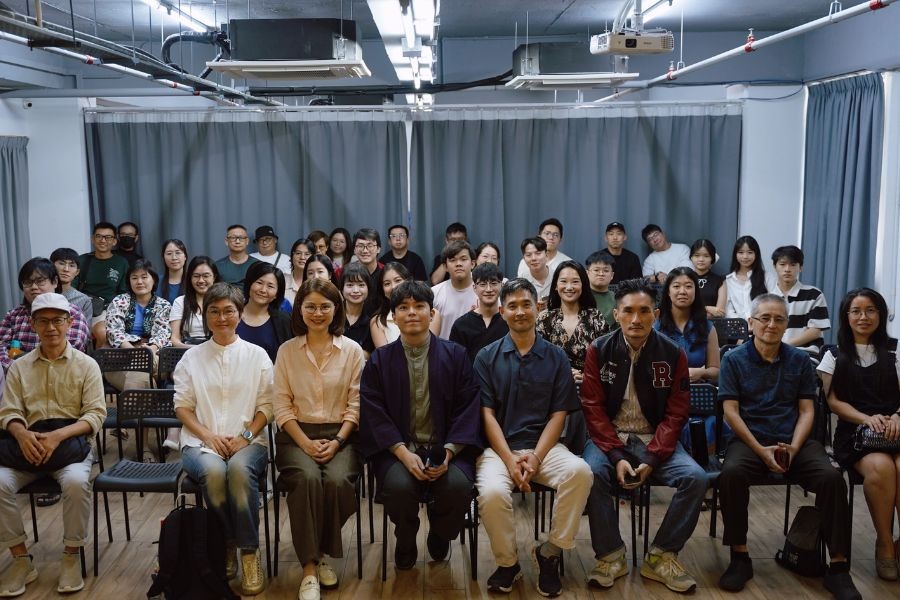
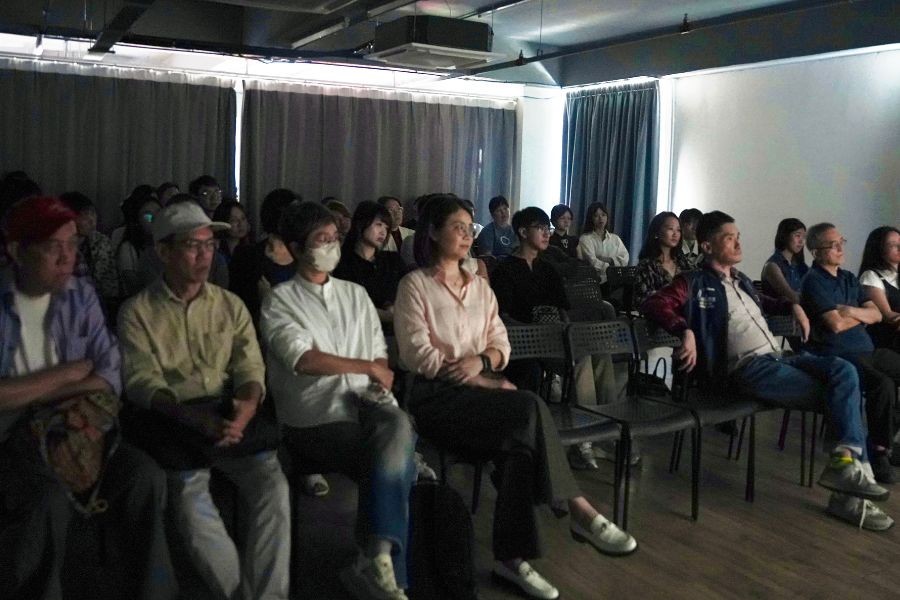
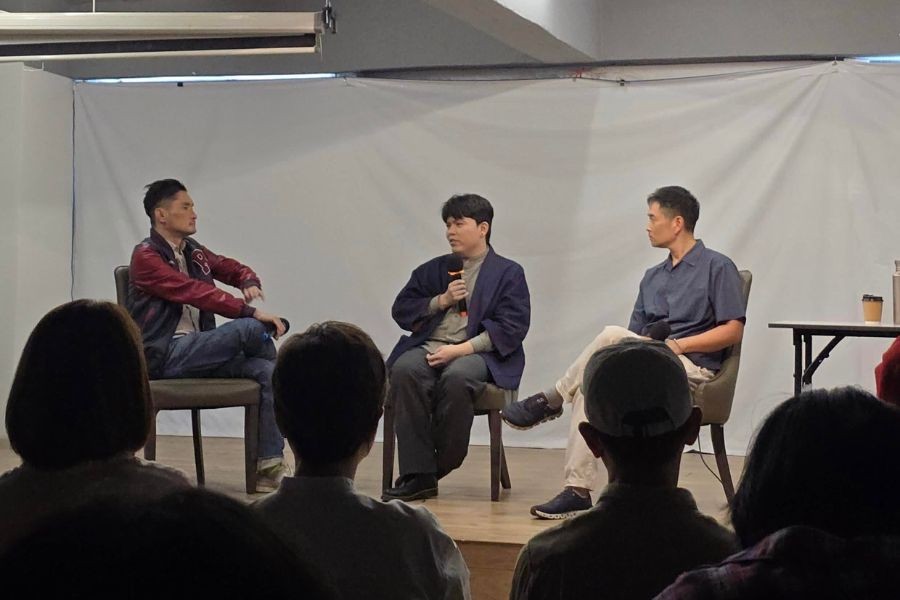
Oneworld Hanxin College recently held a preview screening and post-screening forum for the documentary "Son of the Sea." Director Anthony Koh Kian Yao and former international journalist Lawrence Ong engaged in a dialogue, moderated by Leong Mun Chung. The forum participants came from diverse backgrounds, including professionals from education, counseling, law, and culture, exploring issues such as male sexual violence, consent, gender roles, and victim experiences from different professional perspectives."Son of the Sea" originated from the #MeToo movement among male students on Malaysia campuses. The film doesn't simply dwell on the event itself, but delves deeper into the director's own family, body, and memories, considering how emotions and memories that cannot be fully captured by news headlines continue to exist in private life when the personal experiences of victims enter news reports, social movements, and public imagery.
Because some of the victims could not appear on camera directly, the creative team chose fondant as a unique visual language. Through character modeling and scene reconstruction, they re-presented memories that were difficult to film directly, allowing bodies that could not be seen on camera to be seen in another form.
Director Anthony Koh shared at the forum that *Son of the Sea* does not aim to simplify #MeToo into a single accusation or stance-based confrontation, but rather to re-examine the memories, power relations, and inconsistent experiences and feelings of different parties involved in the events after the initial public outcry subsides.
Pleasure Does Not Equal Consent
One important topic discussed at the forum was society's imagination of the "perfect victim."
Traditional views often assume that victims of sexual violence should exhibit obvious fear and resistance, such as immediate resistance, escape, or a clear and consistent memory of the event. However, participants pointed out that when faced with non-consensual sexual contact, people may experience different physical and psychological reactions, such as stiffening or an inability to immediately resist, and may even experience physiological reactions beyond their control.
The forum therefore emphasized that "pleasure does not equal consent." The pleasurable physiological response cannot be considered the sole basis for consent to sexual behavior. If society only believes victims who conform to specific behavioral patterns, it may make it more difficult for people whose experiences differ from the traditional victim image to understand, express, and confirm their own experiences.
The discussion also extended to the gender framework faced by men. Society has long portrayed men as strong, protective, and dominant in relationships, making it potentially harder for them to acknowledge their victimhood when facing fear, vulnerability, or harm.
Forum participants used the phrase "Boys can cry" to illustrate the importance of gender education, arguing that boys should also be allowed to express fear and vulnerability, and should know they have the right to refuse, set physical boundaries, and seek help. Gender education should not only teach children "don't be touched," but also help them recognize their own feelings, express boundaries, and understand and respect others' refusal.
Beyond victimhood and gender education, the forum also extended the discussion to legal and institutional levels. Reporting sexual harassment cases involves not only individual legal proceedings but also has public policy significance. The records left by individual cases help society understand the scale and current state of the problem and may serve as important evidence for future institutional and policy reforms.
On the other hand, educators and counselors cautioned that encouraging victims to speak out does not mean the problem ends. After the incident is exposed, the victim may still face feelings of shame, guilt, trauma, and resulting changes in interpersonal relationships. Therefore, in addition to focusing on whether the incident has been exposed and whether legal proceedings have begun, society must also further consider how to provide ongoing support and companionship to the parties involved, helping them rebuild their sense of security and interpersonal relationships.
![[HRDF Corporate In-house Training] Winning Through Expression: Attract Attention with Your Voice, Persuade with Logic](https://www.hanxin.edu.my/images/news/1779175987-Ng Ying Wei Communication.jpg)